Health Risks Associated With Wildlife Living in or Around Your Home
Wildlife removal experts can help eliminate animals that pose health risks associated with wildlife living in or around your home, ensuring a safer, healthier environment.
Understanding the health risks associated with wildlife living in or around your home is an important step for property owners in the area. Animals such as raccoons, squirrels, bats, and birds often seek shelter in attics, crawl spaces, or wall cavities, which can lead to the spread of diseases, parasites, and bacteria. These health concerns are not just a nuisance-they can pose serious risks to household members, especially young children, seniors, or anyone with compromised immune systems. Exploring this topic helps homeowners recognize the importance of addressing wildlife intrusions promptly and effectively to maintain a safe living environment.
Local contractors who specialize in wildlife removal can provide practical solutions to prevent and resolve these issues. They understand the common wildlife challenges faced in the area and can help identify entry points, safely remove animals, and implement measures to prevent future visits. Keeping wildlife out of the home not only reduces health risks but also helps protect the integrity of the property. Continuing to read can provide valuable insights into how professional services can support homeowners in maintaining a healthy, wildlife-free home environment.
- Wildlife exclusion - local contractors can identify entry points where animals may be living in or around your home to prevent potential health risks associated with wildlife living in or around your home.
- Animal removal - service providers can safely remove wildlife that may carry diseases or parasites, reducing health risks associated with wildlife living in or around your home.
- Attic cleanup - professionals can disinfect and sanitize areas affected by wildlife, helping to mitigate health risks associated with wildlife living in or around your home.
- Rodent proofing - local contractors can seal gaps and entry points to prevent rodents from entering, decreasing health risks associated with wildlife living in or around your home.
- Urine and droppings removal - experts can safely clean and decontaminate areas contaminated by wildlife, lowering health risks associated with wildlife living in or around your home.
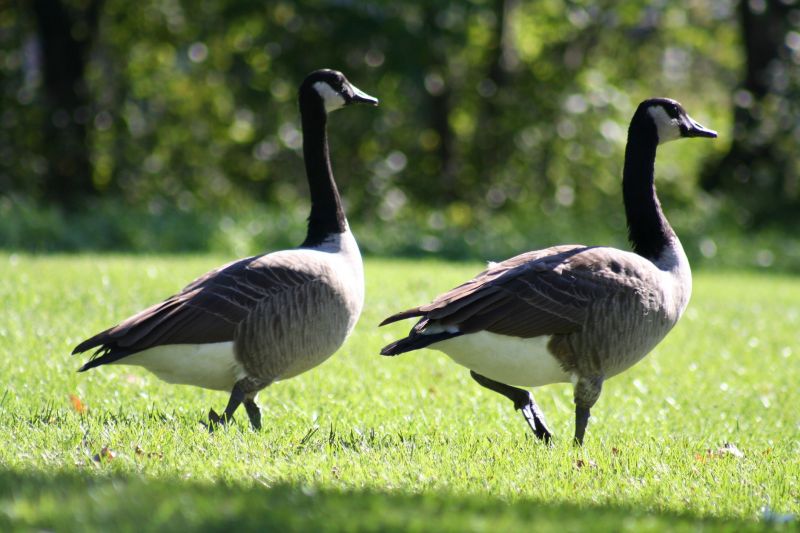
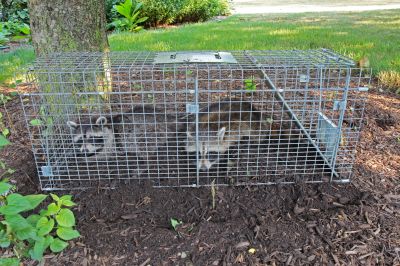
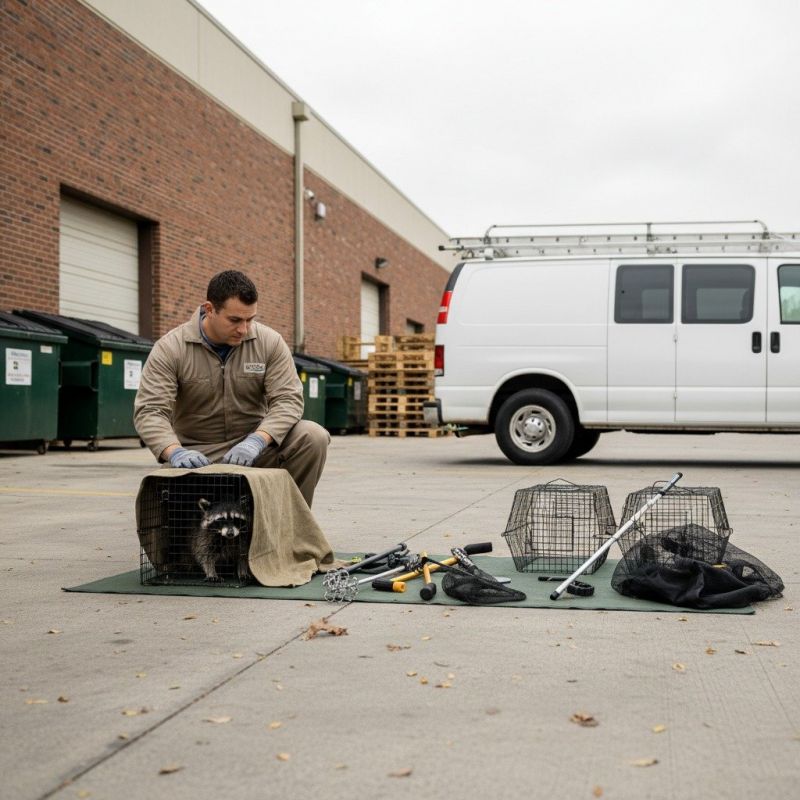
When people search for information on health risks associated with wildlife living in or around their home, they are usually concerned about the potential dangers posed by animals that have made their property a habitat. This topic often comes up when homeowners notice signs of wildlife activity, such as droppings, damage, or noises, and want to understand the health implications. The focus is on understanding how animals like raccoons, squirrels, bats, or birds can carry diseases or parasites that might be transmitted to humans or pets. Many are seeking guidance on how to identify potential hazards and what steps to take to protect their household from health threats caused by these animals.
The problems related to wildlife living in or around a home often involve the presence of pests that can carry harmful pathogens. These can include bacteria, viruses, fungi, and parasites that pose health risks to residents. For example, bat colonies inside attics may carry rabies, while raccoons rummaging through trash or nesting in crawl spaces can spread parasites like fleas or ticks. The plans associated with this topic typically involve removing the animals safely and preventing future incursions. Homeowners may also be interested in addressing structural vulnerabilities that allow wildlife to enter, as well as implementing sanitation measures to reduce exposure to contaminants.
Properties most commonly affected by wildlife-related health risks tend to be those with accessible entry points or areas that provide shelter and food sources. This includes homes with damaged roofs, open vents, or gaps in siding and foundations. Attics, basements, and crawl spaces are frequent nesting sites for various animals, especially in areas where natural habitats are nearby. Rural properties, older homes, and properties near wooded or undeveloped land are often more susceptible to wildlife intrusion. Understanding the type of property helps homeowners recognize the importance of professional wildlife removal services to address both the immediate health concerns and the underlying causes of animal entry.
Local wildlife removal service providers play a crucial role in managing health risks associated with wildlife living in or around a home. They specialize in safely and humanely removing animals, sealing entry points, and advising on sanitation practices to minimize health hazards. These professionals can inspect properties for vulnerable areas, identify signs of infestation, and implement targeted solutions to prevent future wildlife incursions. Connecting with experienced service providers ensures that homeowners receive effective assistance in reducing health risks, safeguarding their household, and maintaining a clean, animal-free environment.
Wildlife habitat modification - professionals can help identify and modify areas around the home that attract animals, reducing health risks associated with wildlife living in or around your home.
Rodent proofing services - local contractors specialize in sealing entry points and installing barriers to prevent rodents from entering living spaces, minimizing potential health hazards.
Bird exclusion and control - experts implement humane strategies to prevent birds from nesting in or around structures, reducing the risk of disease transmission.
Bat removal and exclusion - service providers safely remove bats and seal entry points to prevent future colonies, helping to mitigate health risks linked to bat-associated pathogens.
Insect and pest control - professionals target pests that may carry diseases from wildlife, ensuring a safer environment around the home.
Sanitation and cleanup services - specialists assist with removing droppings and decontaminating areas affected by wildlife to reduce health hazards.
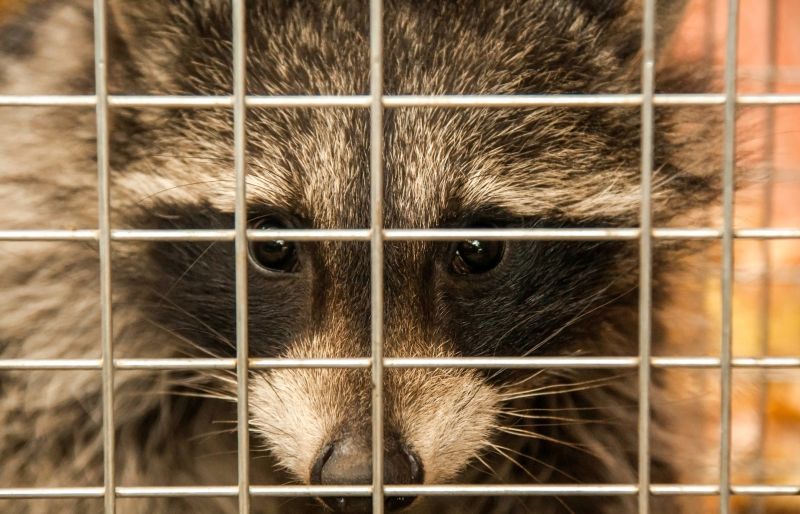
When comparing wildlife removal service providers, it’s important to consider their experience with similar projects involving wildlife living in or around a home. An experienced contractor will understand the specific health risks associated with different types of wildlife and be familiar with effective removal and exclusion methods. This background can help ensure that the work addresses not only the immediate problem but also reduces potential health hazards, such as the spread of parasites, bacteria, or diseases carried by animals like bats, raccoons, or squirrels.
Clear written expectations are essential when evaluating local contractors for wildlife-related work. A reputable service provider should be able to outline the scope of the project, including inspection, removal, sanitation, and exclusion measures, in a straightforward manner. This transparency helps homeowners understand the steps involved in mitigating health risks associated with wildlife living in or around a home, and ensures there are no surprises during the process. Well-defined expectations also facilitate better communication and accountability throughout the project.
Reputable references and good communication are key indicators of a reliable wildlife removal service provider. Pros with positive references from previous clients can offer insights into their professionalism, effectiveness, and ability to handle complex situations involving health risks. Additionally, clear and consistent communication from the contractor helps homeowners stay informed about the progress, safety precautions, and any follow-up measures. Choosing a service provider that values transparency and responsiveness can contribute to a safer environment, reducing health risks associated with wildlife inhabiting a home or its immediate surroundings.
Property owners often search for health risks associated with wildlife living in or around your home when they are planning practical projects around their homes and businesses. Local pros provide Wildlife Removal services for everyday jobs and straightforward project options.
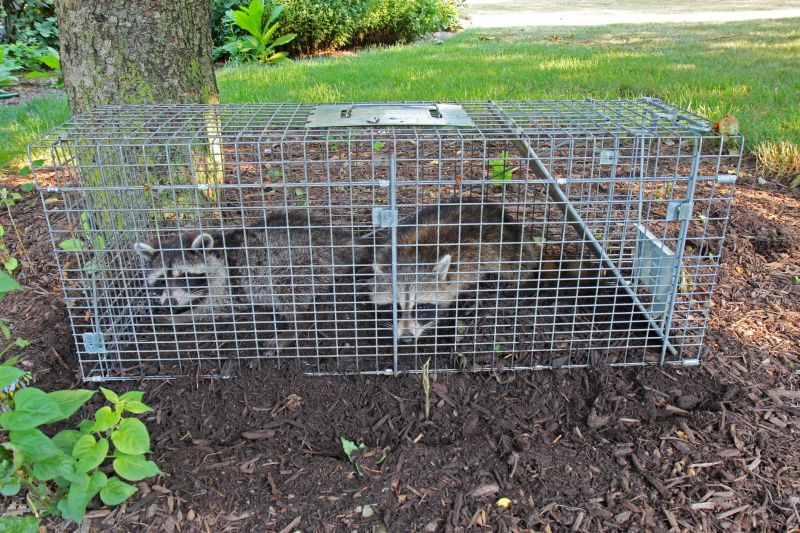
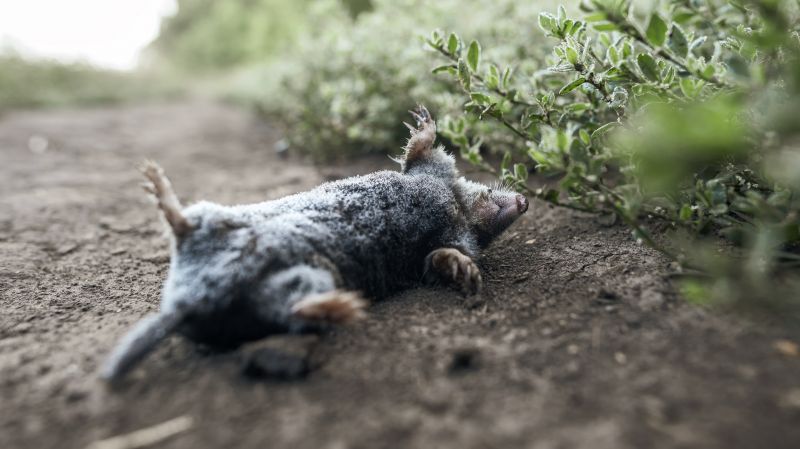
Wildlife living in or around a home can pose various health risks that property owners should be aware of. Animals such as raccoons, squirrels, bats, and rodents often carry parasites, bacteria, or viruses that can be transmitted to humans through direct contact or contaminated surfaces. For example, bat droppings and nesting materials can harbor fungi that cause respiratory issues, while rodent droppings may carry pathogens linked to illnesses like hantavirus. Recognizing the potential health hazards associated with these animals can motivate property owners to seek professional wildlife removal services to safely address the problem.
In addition to disease transmission, wildlife can introduce other hazards such as bites, scratches, or structural damage that may increase the risk of injury or exposure to harmful substances. Animals nesting in attics, walls, or crawl spaces might also cause mold growth or damage insulation, which can impact indoor air quality and overall health. Engaging experienced local contractors can help ensure wildlife is removed humanely and efficiently, reducing the chance of health complications and preventing future issues that could arise from animals living in or around the home.
What health risks are associated with wildlife living in or around my home? Wildlife can carry diseases such as rabies, hantavirus, and leptospirosis, which may be transmitted to humans or pets. Local contractors can safely remove wildlife to reduce these health hazards.
How can wildlife in my home impact my family's health? Animals like bats, rodents, and raccoons can introduce parasites, bacteria, and viruses into your living space, increasing the risk of illness. Professional wildlife removal helps mitigate these risks.
Are there risks of disease transmission from wildlife droppings or nests? Yes, droppings and nests can harbor pathogens that cause respiratory issues or infections. Local service providers can remove these hazards safely and thoroughly.
Can wildlife living near my home cause allergic reactions? Yes, animal dander, droppings, and nesting materials can trigger allergies or asthma symptoms. Wildlife removal experts can eliminate these sources of allergens.
Why is it important to address wildlife in or around my home promptly? Leaving wildlife unchecked can increase health risks and potential property damage. Connecting with local professionals ensures safe and effective removal to protect health and property.
Identify entry points - property owners can inspect and seal gaps or holes to prevent wildlife from entering, reducing health risks associated with wildlife living in or around your home.
Install deterrents - using humane devices or barriers can discourage wildlife from nesting nearby, minimizing potential health hazards.
Schedule regular inspections - having local contractors check for signs of wildlife activity helps catch issues early and reduces health risks associated with wildlife living in or around your home.
Remove attractants - managing food sources like garbage or pet food can prevent wildlife from settling close to the property, lowering health risks associated with wildlife living in or around your home.
If you are thinking about health risks associated with wildlife living in or around your home for a property, this guide is meant to help you understand this topic, the typical project types, and how different options might fit your plans.
When you are ready, you can use the quote form on this page to share a few details about your project. From there, local pros can review the basics and follow up with options that match what you have in mind.