How Wildlife Can Damage Roofs, Attics, and Insulation
People searching for wildlife removal are typically looking to prevent animals from damaging roofs, attics, and insulation, and local service providers can help safely remove wildlife and repair the damage.
Understanding how wildlife can damage roofs, attics, and insulation is essential for property owners looking to protect their homes. Animals such as raccoons, squirrels, and birds often seek shelter in attics or crawl spaces, leading to structural damage, chewed wiring, and compromised insulation. Recognizing the signs early can help prevent costly repairs and ensure the safety and integrity of a property. Local contractors experienced in wildlife removal can assess the situation, safely remove any intruders, and help reinforce vulnerable areas to prevent future issues.
For property owners in the area, exploring this topic is a practical step toward safeguarding their homes from wildlife-related damage. Wildlife can cause unexpected problems that disrupt comfort and safety, making professional removal and prevention services a valuable resource. Connecting with local service providers who specialize in wildlife removal ensures that these concerns are addressed effectively and humanely. Keep reading to learn more about how wildlife can impact your property and the solutions available to keep unwanted visitors at bay.
- Bird infestations - when birds nest in attics or on roofs, local contractors can remove the birds and repair any damage caused to insulation and roofing materials.
- Rodent damage - signs of rodents in the attic or roof space prompt local service providers to handle removal and seal entry points to prevent further harm to insulation.
- Raccoon activity - raccoons can tear into roofs and attic spaces; local pros can safely remove these animals and restore compromised insulation and roof integrity.
- Squirrel intrusion - squirrels often chew wiring and damage attic insulation; local contractors can trap and remove them while repairing affected areas.
- Bat colonies - when bats roost in attics, local specialists can safely remove colonies and address damage to insulation and roof structures caused by their presence.
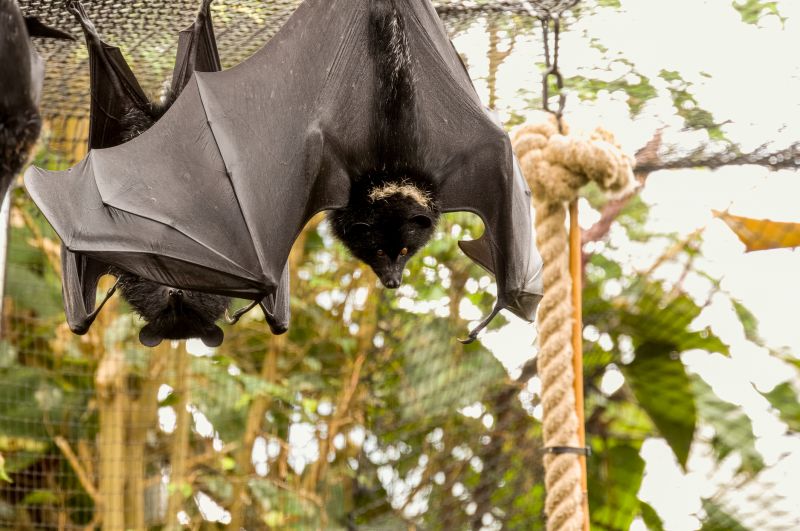
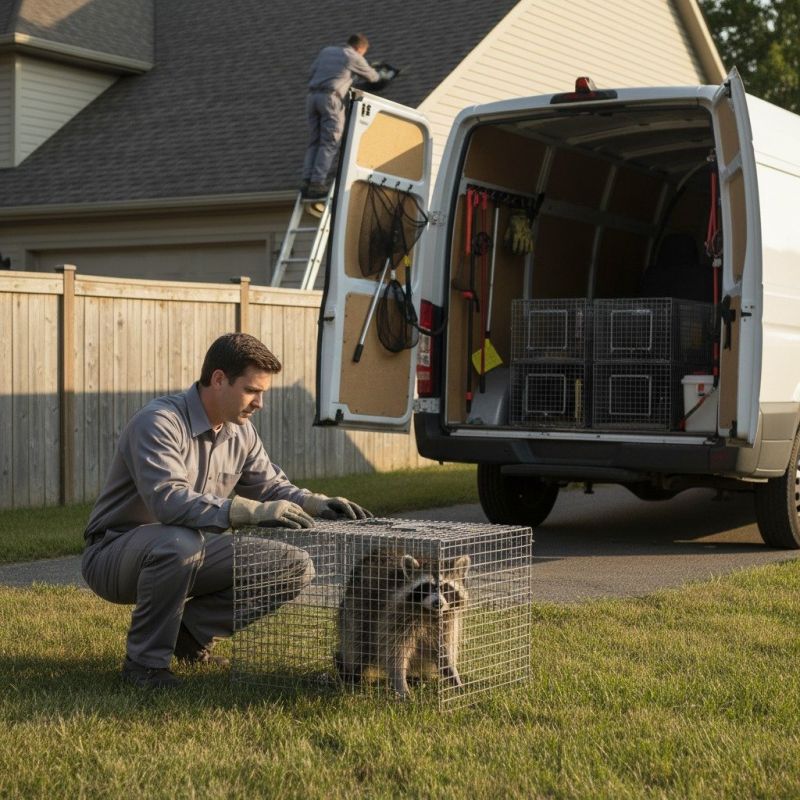
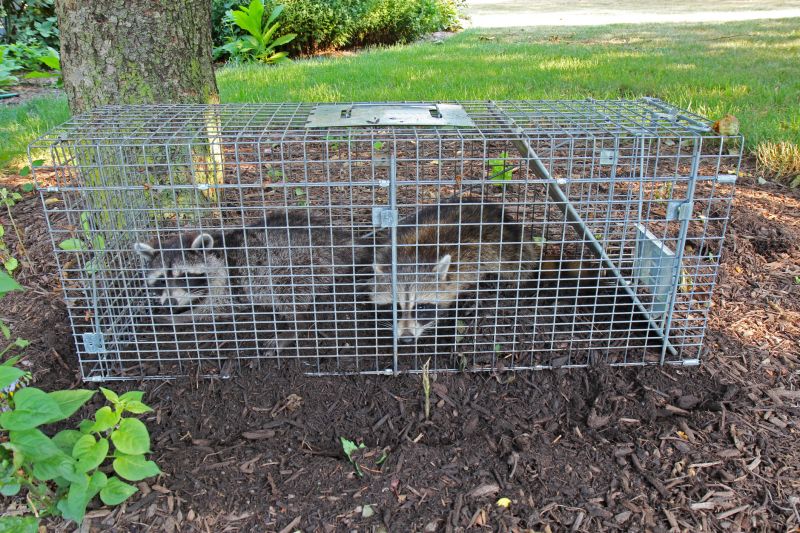
When people search for information on how wildlife can damage roofs, attics, and insulation, they are often concerned about the potential for animals to cause structural issues or create health hazards within their homes. This topic typically relates to situations where homeowners notice unusual noises, droppings, or signs of animal activity in their attic spaces or on their roofs. Many are seeking guidance on how animals such as raccoons, squirrels, birds, or bats may be gaining access and what kind of damage they can inflict. Understanding these problems helps homeowners identify when wildlife activity might be impacting their property and highlights the importance of professional services to address the situation effectively.
The problems associated with wildlife damage often involve more than just nuisance animals. When wildlife invades roofs and attics, they can tear apart insulation, create entry points, and damage roofing materials. Raccoons and squirrels are notorious for gnawing on wood, shingles, and wiring, which can lead to leaks or even fire hazards. Birds nesting in roof spaces can leave behind droppings that corrode surfaces and pose health risks. Additionally, bats and other creatures may roost in attics, leading to contamination and unpleasant odors. Homeowners planning repairs or preventative measures often look for ways to stop wildlife from re-entering and causing further damage, making the role of wildlife removal and exclusion services crucial.
Certain types of properties tend to be more vulnerable to wildlife damage, especially those with older or poorly maintained roofs and attics. Residential homes with accessible roof vents, gaps in siding, or damaged soffits are common targets for animals seeking shelter. Attics that lack proper insulation or are not sealed correctly can attract wildlife looking for a safe nesting site. Rural or semi-rural properties with nearby trees, brush, or water sources are also more likely to experience wildlife intrusions. Whether a homeowner owns a single-family house, a multi-unit building, or a vacation cabin, understanding the property's vulnerabilities can help determine the need for professional wildlife services to prevent or repair damage.
When addressing how wildlife can damage roofs, attics, and insulation, it’s important to recognize the role of local service providers specializing in wildlife removal and exclusion. These professionals can assess the extent of the damage, identify entry points, and implement solutions to prevent future intrusions. Their work often involves safely removing animals, sealing access points, and restoring damaged insulation or roofing materials. For homeowners dealing with this issue, connecting with experienced local contractors ensures that the problem is handled effectively and that the property is protected from ongoing wildlife-related damage. Proper intervention can save money and reduce the risk of health hazards caused by animal infestations.
Gutter and attic vent repair - addressing damage caused by wildlife entering roofs and attics requires expertise in repairs that prevent future invasions, similar to wildlife removal services.
Insulation installation and replacement - replacing or upgrading insulation affected by animal damage involves planning and handling materials safely, akin to wildlife exclusion work.
Pest-proofing and sealing services - sealing entry points to prevent wildlife from damaging roofs and attics aligns with the skills used in wildlife exclusion and damage prevention.
Roof inspection and repair - identifying and fixing damage from wildlife intrusion involves detailed inspections and repairs, comparable to wildlife damage mitigation efforts.
Attic cleanup and restoration - removing debris, nests, and contaminants left by wildlife mirrors cleanup services following wildlife-related damage incidents.
Structural reinforcement services - strengthening vulnerable roof and attic structures to withstand wildlife damage requires planning and construction skills similar to wildlife damage mitigation projects.
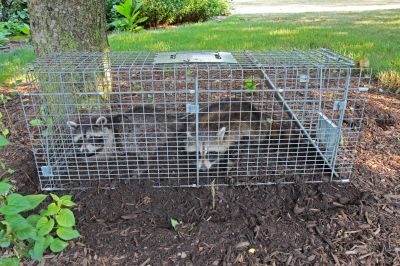
When evaluating wildlife removal service providers, it is important to consider their experience with similar projects involving how wildlife can damage roofs, attics, and insulation. Service providers with a history of handling these specific issues are more likely to understand the common entry points, damage patterns, and effective removal methods. Asking about their previous work can help gauge whether they have the practical knowledge needed to address the unique challenges posed by different types of wildlife and the damage they cause.
Clear written expectations are essential when comparing local contractors for wildlife removal services. A detailed scope of work that outlines the steps involved in wildlife exclusion, damage repair, and insulation restoration can prevent misunderstandings and ensure that all aspects of the project are covered. It’s beneficial to review any provided documentation or proposals to confirm that the service provider’s approach aligns with what is needed to effectively address how wildlife can damage roofs, attics, and insulation.
Reputable references and good communication are key indicators of a dependable wildlife removal service provider. Contacting previous clients or checking references can provide insights into the contractor’s reliability, quality of work, and ability to handle the specific concerns related to wildlife damage. Additionally, service providers who communicate clearly and promptly can make the process smoother, helping homeowners feel confident that their questions and concerns about wildlife-related damage will be addressed throughout the project.
Property owners often search for how wildlife can damage roofs, attics, and insulation when they are planning practical projects around their homes and businesses. Local pros provide Wildlife Removal services for everyday jobs and straightforward project options.
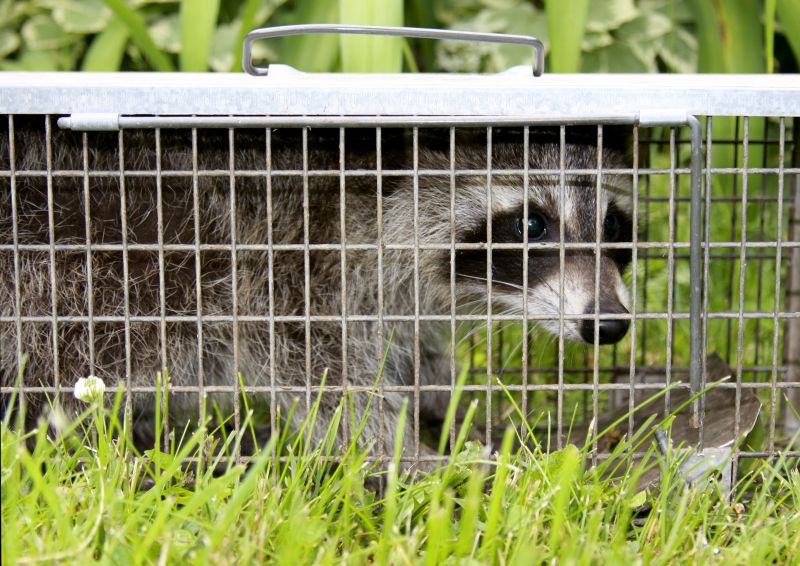
Wildlife can cause significant damage to roofs, attics, and insulation, especially when animals such as raccoons, squirrels, or birds find their way into a property. These creatures often seek shelter in warm, hidden spaces, and once inside, they can gnaw on wood, wiring, and insulation materials, leading to structural issues and potential fire hazards. Property owners may notice signs like droppings, nests, or unusual noises, prompting them to look into how wildlife can damage roofs, attics, and insulation and consider professional wildlife removal services to address the problem.
In many cases, wildlife accessing roofs and attics results in compromised insulation, which can reduce energy efficiency and increase utility costs. Additionally, animals can create entry points by tearing shingles, siding, or vents, making it easier for more wildlife to enter. Property owners in the area who observe damage or suspect animal activity might explore options for wildlife removal services offered by local contractors. These experts can help safely remove animals and repair any damage, helping to protect the home from further wildlife-related issues.
How can wildlife damage roofs and attics? Wildlife such as raccoons, squirrels, and birds can create holes in roofing materials, gnaw on insulation, and nest in attics, leading to structural damage and potential entry points for pests.
What types of wildlife are most likely to damage insulation? Rodents, bats, and raccoons often invade attics and can tear or chew insulation, reducing its effectiveness and causing contamination.
How does wildlife entry affect roof durability? Animals can weaken roofing materials by nesting, scratching, and gnawing, which may result in leaks, rotting, and compromised structural integrity.
What signs indicate wildlife has damaged my attic or roof? Common signs include droppings, chewed materials, strange noises, and visible holes or nests, all of which local contractors can help address.
How can wildlife removal services help prevent further damage? Professional wildlife removal can identify entry points, safely remove animals, and implement repairs to protect roofs, attics, and insulation from future damage.
Identify entry points - property owners can work with local contractors to inspect and seal gaps or holes where wildlife may enter attics or damage roofs.
Install deterrents - applying humane deterrent devices or barriers can help prevent wildlife from accessing vulnerable roof areas.
Schedule regular inspections - routine checks by local pros can catch early signs of wildlife activity before extensive damage occurs.
Improve attic insulation - upgrading insulation with wildlife-proof materials can reduce damage caused by animals nesting or burrowing inside.
If you are thinking about how wildlife can damage roofs, attics, and insulation for a property, this guide is meant to help you understand this topic, the typical project types, and how different options might fit your plans.
When you are ready, you can use the quote form on this page to share a few details about your project. From there, local pros can review the basics and follow up with options that match what you have in mind.