What Makes Skunks Choose Crawl Spaces for Denning
People searching for skunk removal are often looking to eliminate skunks that choose crawl spaces for denning, and local contractors can provide effective solutions to handle these situations.
Understanding why skunks often choose crawl spaces for denning can help property owners better protect their homes and manage wildlife encounters. Skunks are naturally drawn to dark, secluded areas that offer safety and concealment, making crawl spaces an attractive option. These spaces typically provide the shelter and quiet environment skunks seek, especially when they are seeking a safe place to raise their young or escape harsh weather conditions. Recognizing these practical reasons can be essential for anyone noticing signs of skunk activity around their property, prompting them to explore effective removal solutions.
For property owners in the area, working with experienced service providers who specialize in skunk removal can make a significant difference in addressing these issues. Local contractors understand the common reasons skunks favor crawl spaces and can help identify entry points or signs of infestation. By partnering with knowledgeable professionals, homeowners can ensure that the problem is handled efficiently and humanely, reducing the risk of damage or unwanted encounters. Keep reading to learn more about how these local experts can assist in resolving skunk-related concerns and maintaining a safe, pest-free home environment.
- Skunk Removal Services - homeowners noticing skunk activity near crawl spaces may need professional removal to address the issue effectively.
- Crawl Space Inspection - property owners concerned about skunk entry points and nesting habits can rely on local contractors to identify vulnerabilities.
- Exclusion and Barrier Installation - those seeking to prevent skunks from returning often turn to service providers for effective exclusion solutions.
- Odor Control and Cleanup - residents dealing with lingering skunk odors in crawl spaces can find assistance from local pros experienced in odor mitigation.
- Wildlife Damage Repair - individuals facing structural damage caused by skunks in crawl spaces can connect with specialists to restore affected areas.
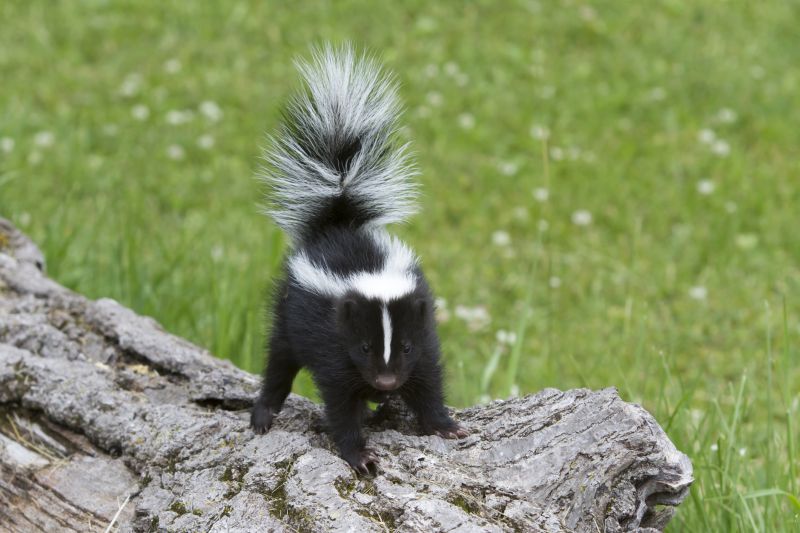

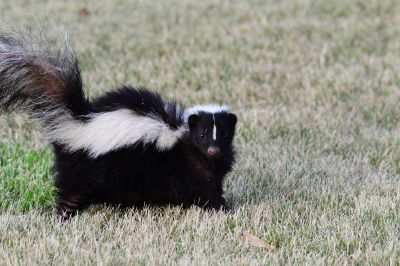
When homeowners search for information about why skunks choose crawl spaces for denning, they are often trying to understand the underlying reasons that make these areas attractive to these animals. Typically, this topic relates to concerns about property damage, animal intrusion, or the desire to prevent skunk infestations before they happen. Many property owners discover skunks living beneath their homes unexpectedly and want to know what factors attract them to crawl spaces. Understanding these motivations can help homeowners assess their properties and develop effective strategies for prevention or removal, often with the assistance of local contractors experienced in skunk control.
The issues connected to skunks nesting in crawl spaces are usually centered around property damage and health concerns. Skunks seek out these areas because they offer shelter, safety from predators, and easy access to food sources. For homeowners, the presence of skunks can lead to property damage, such as chewed wiring, insulation destruction, or structural issues. Additionally, skunks are known carriers of diseases, which raises safety concerns for families and pets. Many property owners consider plans to block access points, remove attractants, and implement ongoing prevention measures. When these efforts fail, professional skunk removal services are often called upon to handle the situation safely and efficiently.
The types of properties that often experience skunk denning in crawl spaces tend to be residential homes, especially those with accessible foundations or poorly sealed entry points. Homes with wood or dirt crawl spaces are particularly vulnerable because they provide natural burrows and cover. Properties located near wooded areas, fields, or other natural habitats are more likely to attract skunks, as these environments offer ample food sources like insects, small rodents, or garbage. Additionally, properties with cluttered yards, open trash containers, or pet food left outdoors can draw skunks closer to the home, increasing the likelihood of them seeking shelter underneath as a safe haven.
Understanding what makes skunks choose crawl spaces for denning helps homeowners recognize the importance of property maintenance and proactive prevention. Local contractors specializing in skunk removal can assess the property to identify vulnerabilities and recommend appropriate measures to deter these animals from nesting underneath. This may include sealing entry points, removing attractants, and implementing exclusion techniques. By addressing the factors that make crawl spaces appealing, property owners can reduce the chances of skunk problems developing and ensure that any necessary removal work is handled safely and effectively by experienced service providers.
Home inspection services - professionals who assess crawl space conditions can identify features that attract skunks, aiding in effective removal strategies.
Pest exclusion projects - these involve sealing entry points and understanding animal denning habits, which are essential skills for skunk control specialists.
Crawl space repair and waterproofing - addressing moisture issues and structural vulnerabilities helps prevent skunks from settling in these areas.
Wildlife removal services - experts experienced in humane animal eviction can handle skunk denning sites and prevent future infestations.
Foundation and structural inspection - identifying gaps or vulnerabilities that make crawl spaces appealing to skunks is a key part of these projects.
Ventilation and insulation services - improving crawl space airflow and insulation can reduce conditions that attract skunks for denning.

When evaluating potential service providers for skunk removal, it is important to consider their experience with similar projects. Skunk activity in crawl spaces can present unique challenges, so selecting contractors who have a proven track record addressing these specific issues can help ensure the work is handled effectively. Homeowners should inquire about the types of wildlife removal jobs the pros have completed and whether they have experience dealing with skunks in crawl spaces, as this can impact the quality and safety of the removal process.
Clear written expectations are essential when comparing local contractors for skunk removal services. A reputable provider should be able to outline the scope of work, methods used to remove the skunks, and any follow-up steps or recommendations. Having this information in writing helps avoid misunderstandings and provides a basis for evaluating whether the service provider’s approach aligns with the homeowner’s needs. Transparency in communication also indicates professionalism and a commitment to client clarity.
Reputable references and good communication practices are key factors to consider when choosing a service provider. Asking for references or reviews from previous clients can offer insights into the contractor’s reliability and effectiveness in handling skunk issues. Additionally, a contractor who communicates clearly and promptly can make the process smoother and help homeowners feel more confident in their choice. Overall, selecting a local contractor with a solid track record, clear expectations, and open communication can lead to a more successful and satisfactory skunk removal experience.
Property owners often search for what makes skunks choose crawl spaces for denning when they are planning practical projects around their homes and businesses. Local pros provide Skunk Removal services for everyday jobs and straightforward project options.

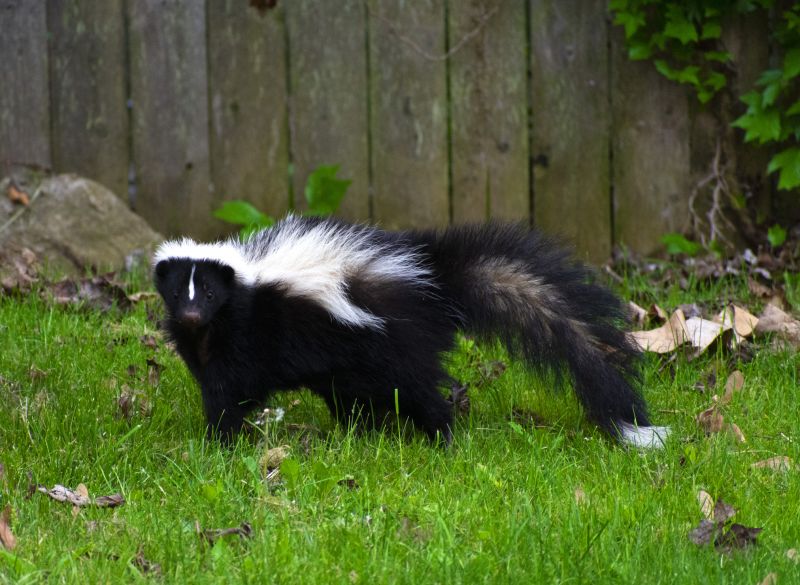
Skunks often select crawl spaces for denning because these areas provide a quiet, concealed environment that offers protection from predators and harsh weather conditions. Property owners might notice signs of skunk activity, such as strong odors or disturbed insulation, especially in homes with accessible crawl spaces. When these pests establish a den underneath a house, it can lead to unpleasant odors and potential health concerns. Local contractors experienced in skunk removal understand the importance of identifying why crawl spaces are attractive to skunks, enabling them to effectively address the root of the problem and prevent future visits.
Understanding what makes skunks choose crawl spaces for denning can help property owners take proactive steps to deter them. Factors like accessible entry points, insulation that provides warmth, and the quiet, undisturbed environment are common reasons skunks find crawl spaces appealing. For those dealing with skunk activity, connecting with local service providers who specialize in wildlife removal can ensure humane and efficient solutions. These professionals are equipped to assess the property, remove the skunks safely, and implement measures to block access points, reducing the likelihood of future denning in crawl spaces.
Why do skunks prefer crawl spaces for denning? Skunks are attracted to crawl spaces because these areas provide shelter, protection from predators, and a quiet environment for raising their young.
What features of crawl spaces make them appealing to skunks? Features such as dark, undisturbed areas with easy access and insulation help create a suitable habitat for skunks in crawl spaces.
How can local contractors help prevent skunks from nesting in crawl spaces? Local service providers can identify entry points and recommend or perform exclusion measures to keep skunks from accessing crawl spaces.
Are there specific conditions inside crawl spaces that attract skunks? Moisture, debris, and clutter inside crawl spaces can make them more inviting for skunks to settle and den.
What steps do skunk removal specialists take to address skunk activity in crawl spaces? They typically assess the area, remove skunks safely, and implement measures to deter future visits by sealing entry points and cleaning the space.
Understanding shelter needs - Recognizing that crawl spaces provide protection from predators and harsh weather can help property owners identify vulnerable areas needing inspection and possible sealing.
Assessing access points - Identifying and sealing common entry spots like vents, gaps, and cracks can prevent skunks from establishing a den in crawl spaces, with local contractors offering effective solutions.
Reducing attractants - Removing debris, food sources, and clutter near the foundation discourages skunks from approaching the property and seeking shelter in crawl spaces.
Implementing exclusion techniques - Installing barriers and secure coverings with the help of local service providers can make crawl spaces less appealing for skunks to choose for denning.
If you are thinking about what makes skunks choose crawl spaces for denning for a property, this guide is meant to help you understand this topic, the typical project types, and how different options might fit your plans.
When you are ready, you can use the quote form on this page to share a few details about your project. From there, local pros can review the basics and follow up with options that match what you have in mind.