Signs Wildlife Has Moved Into Your Attic, Walls, or Crawl Space
If you notice signs wildlife has moved into your attic, walls, or crawl space, local contractors can provide safe removal and prevention services to resolve the problem.
Discovering signs that wildlife has moved into your attic, walls, or crawl space can be unsettling, but recognizing these indicators is the first step toward resolving the issue. Property owners in the area often notice unusual noises, such as scratching or scurrying sounds, especially during the night. Other common signs include droppings, damaged insulation, or nests built in hidden spaces. Addressing these signs promptly can prevent further property damage and reduce health risks associated with wildlife intrusion. Local contractors who specialize in wildlife removal are equipped to identify these signs accurately and recommend effective solutions to restore the safety and comfort of your home.
Understanding what to look for when wildlife has taken up residence in your home encourages proactive steps to resolve the situation. If you observe persistent odors, chewed wires, or find entry points around the roof or foundation, it may be time to seek assistance from experienced wildlife removal service providers. These professionals can assess the extent of the intrusion and implement humane, effective removal methods. Connecting with trusted local experts ensures that wildlife is handled safely and that your property is secured against future visits, giving peace of mind and protecting your home’s integrity.
- Attic wildlife entry points - when signs wildlife has moved into your attic, local contractors can identify and seal entry points to prevent further intrusion.
- Wall cavity disturbances - if there are noises or droppings in your walls, service providers can safely remove animals and repair any damage.
- Crawl space activity - visible signs like scratching sounds or odors indicate wildlife presence, and local pros can handle removal and exclusion.
- Droppings and damage - spotting animal droppings or chewed insulation suggests wildlife has nested nearby, prompting specialists to address the issue.
- Unusual odors or sounds - persistent smells or scratching noises in your home can signal wildlife in hidden spaces, with local experts providing removal solutions.
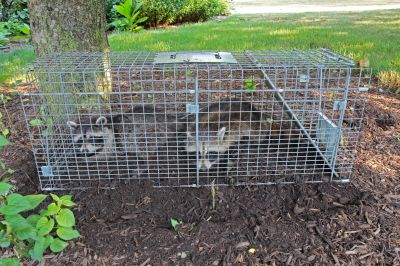
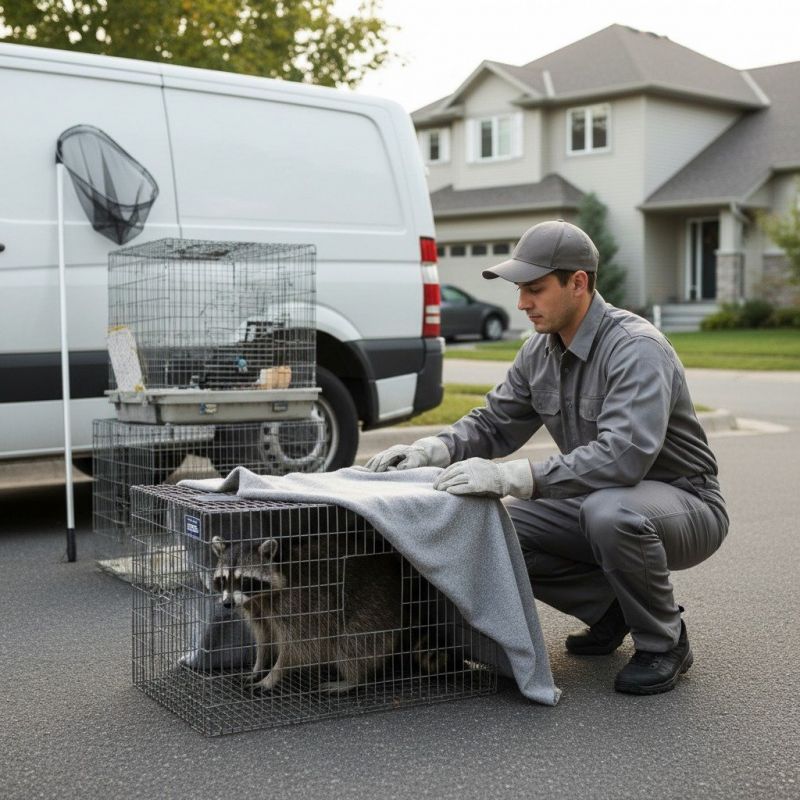
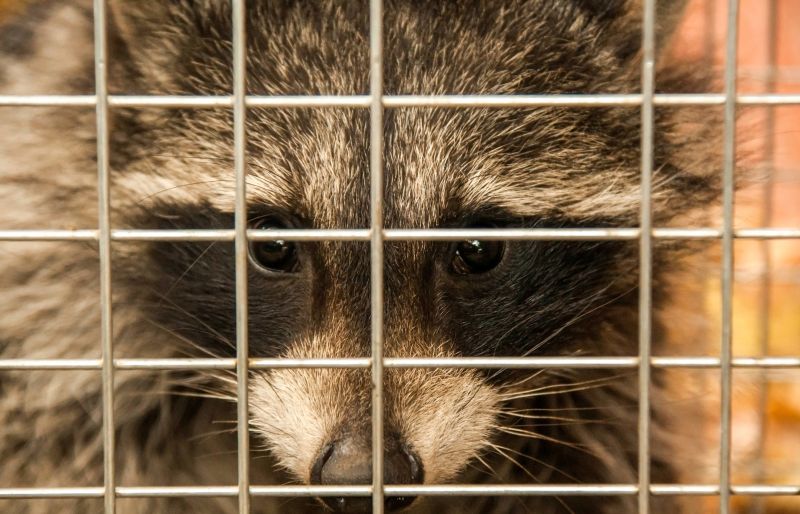
When homeowners notice unusual sounds or disturbances within their homes, they often search for signs wildlife has moved into your attic, walls, or crawl space. These signs typically include scratching or scurrying noises, especially at night, which can indicate the presence of small mammals such as raccoons, squirrels, or bats. Visible droppings, chewed wiring, or nesting materials found in hidden areas are also common indicators. Recognizing these signs early helps homeowners understand that wildlife may have established a foothold inside their property, prompting the need for professional assistance to address the situation safely and effectively.
The presence of wildlife inside a home often relates to a variety of problems and plans. For instance, animals nesting in attics or crawl spaces can cause structural damage, such as chewed insulation or compromised wiring that may lead to fire hazards. Additionally, some species carry diseases or parasites that pose health risks. Homeowners may also be planning to prevent future invasions or to restore the integrity of their property after wildlife has moved in. Engaging local service providers who specialize in wildlife removal ensures that the problem is handled humanely, efficiently, and with minimal disruption to the household.
Properties most commonly affected by wildlife invasions include single-family homes, especially those with accessible attics, wall cavities, or crawl spaces. Older houses with gaps around vents, windows, or rooflines are particularly vulnerable. Rural or wooded properties tend to experience more frequent wildlife intrusions due to their proximity to natural habitats. However, urban homes are not immune, especially if they have structural vulnerabilities or neglected maintenance. Understanding the types of properties prone to these issues helps homeowners recognize the importance of early detection and the value of professional wildlife removal services to safeguard their homes.
Detecting signs wildlife has moved into your attic, walls, or crawl space is a crucial step in addressing the issue before it worsens. Local contractors who specialize in wildlife removal are equipped to assess the situation, identify the species involved, and implement humane exclusion methods. They can also help repair entry points and recommend measures to prevent future invasions. By working with experienced service providers, homeowners can resolve the problem efficiently, ensuring their property remains safe and protected from unwanted animal guests. Proper identification and prompt action are key to managing these common household intrusions effectively.
Attic Insulation Replacement - professionals who replace or upgrade attic insulation often address signs of wildlife intrusion, ensuring the space remains protected and energy-efficient.
Home Inspection Services - home inspectors or pest inspectors can identify structural damages or entry points that indicate wildlife presence within walls or crawl spaces.
Structural Repair and Damage Restoration - contractors specializing in repairing chewed wiring, holes, or weakened framing can help restore areas affected by wildlife activity.
Ventilation System Installation - experts who install or upgrade attic and crawl space ventilation can help prevent future wildlife invasions by improving airflow and reducing attractants.
Sealing and Pest-Proofing Services - service providers who seal gaps and reinforce building exteriors help block wildlife entry points and prevent re-infestation.
Rodent and Pest Control - pest control specialists often handle infestations that coincide with signs wildlife has moved into your attic, walls, or crawl space, addressing the problem comprehensively.
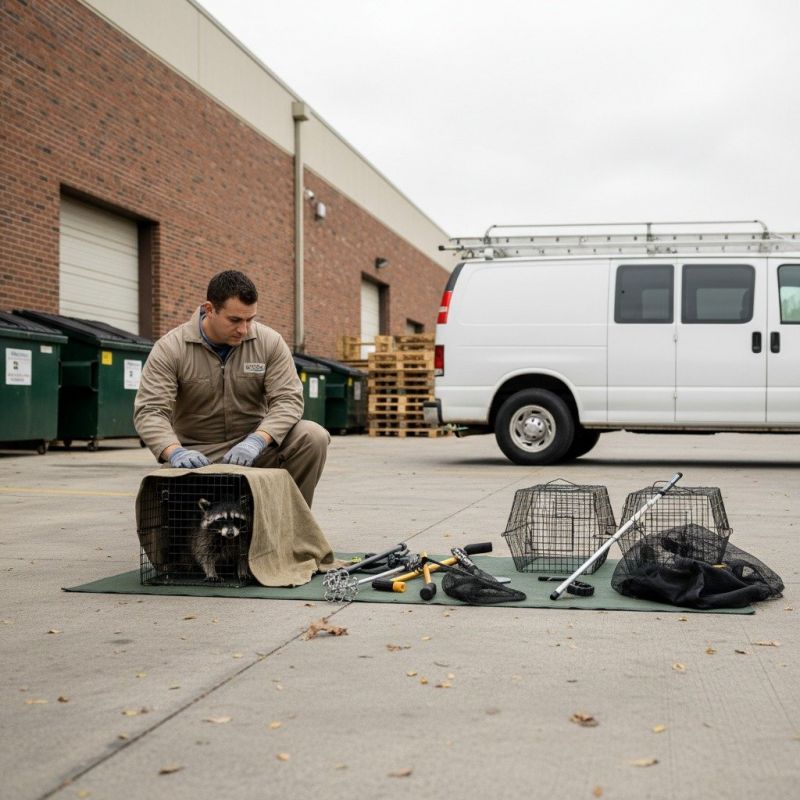
When comparing wildlife removal services, it’s important to consider the experience of local contractors with similar projects. Homeowners should inquire about how long a service provider has been handling wildlife issues in attics, walls, or crawl spaces, as well as their familiarity with the specific types of animals that commonly invade these areas. A contractor with a proven track record in resolving wildlife conflicts can offer insights into effective removal techniques and prevention strategies, reducing the likelihood of recurring issues. Understanding a service provider’s background with comparable projects can help ensure that the chosen professional has the practical knowledge necessary to address the unique challenges of wildlife intrusions.
Clear written expectations are essential when selecting a wildlife removal service. Homeowners should seek detailed information about the scope of work, including how the animals will be removed, what repairs or exclusions will be performed, and any follow-up measures. Transparent communication helps prevent misunderstandings and ensures that both parties agree on the process and outcomes. Reputable service providers often provide written estimates or agreements that outline these expectations, allowing homeowners to evaluate whether the scope aligns with their concerns about signs wildlife has moved into their attic, walls, or crawl space.
Reputation and references are key factors in evaluating local contractors for wildlife removal. Homeowners should look for service providers with positive feedback from previous clients who had similar issues. Reputable contractors can often provide references or testimonials that demonstrate their ability to effectively resolve wildlife problems while maintaining good communication throughout the process. Good communication is vital, as it ensures homeowners stay informed about the progress, understand the steps involved, and can ask questions or express concerns. By considering experience, clarity in expectations, and reputable references, homeowners can make more informed decisions when choosing a wildlife removal professional to address signs wildlife has moved into their home.
Property owners often search for signs wildlife has moved into your attic, walls, or crawl space when they are planning practical projects around their homes and businesses. Local pros provide Wildlife Removal services for everyday jobs and straightforward project options.
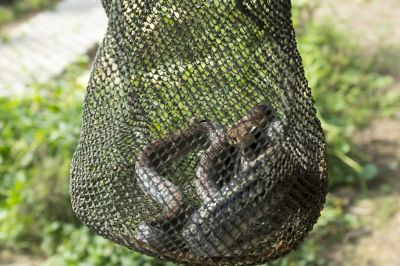
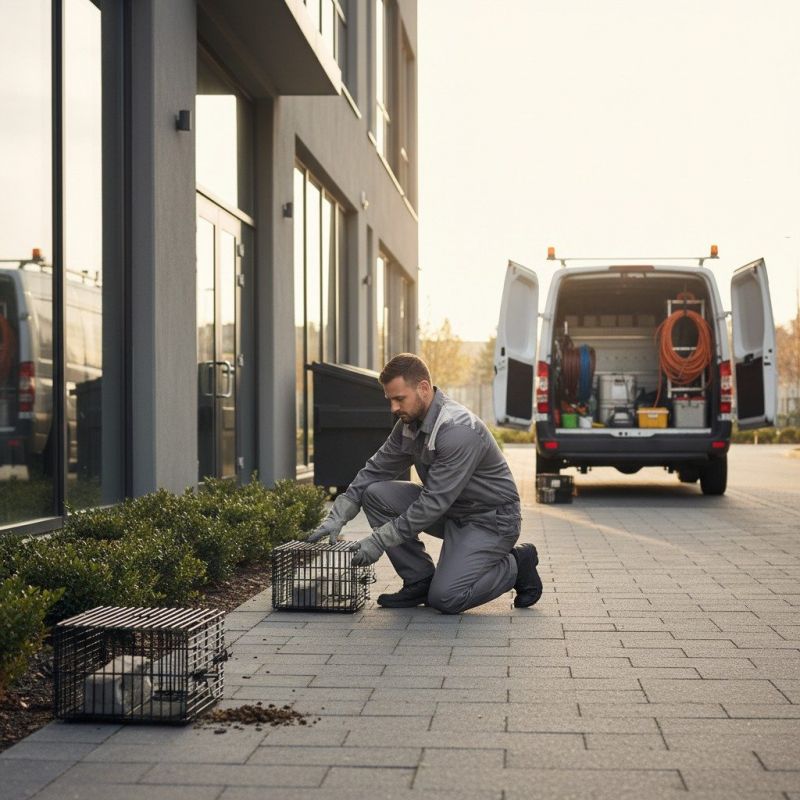
Recognizing signs wildlife has moved into your attic, walls, or crawl space is an important step in maintaining the safety and integrity of a property. Common indicators include strange noises such as scratching, scurrying, or thumping sounds, especially during nighttime hours. You might also notice unusual odors, droppings, or nesting materials in hard-to-reach areas. Property owners often seek out wildlife removal services when these signs become apparent, as professional contractors can safely and effectively address the issue and prevent further intrusion.
Other telltale signs include damage to insulation, chewed wires, or holes in the exterior walls or roofline. Visible entry points around vents, chimneys, or soffits can also signal an animal’s presence. When these signs are observed, it’s advisable to consult local service providers who specialize in wildlife removal. These professionals can assess the situation, remove any animals safely, and help seal entry points to prevent future visits, ensuring the property remains secure and animal-free.
What are common signs wildlife has moved into your attic, walls, or crawl space? You might notice scratching sounds, droppings, or damaged insulation, which can indicate animals have taken up residence in hidden areas.
How can I tell if animals are active inside my walls or attic? Signs include unusual odors, holes or gnaw marks, and sightings of animals or their droppings near entry points. Local service providers can help confirm and address these issues.
What should I do if I hear noises but can't see any animals? Noises such as scurrying or banging often suggest wildlife presence. Contact local contractors experienced in wildlife removal to assess and handle the situation safely.
Are there specific signs that indicate wildlife has caused damage to my property? Yes, chewed wiring, damaged insulation, or nesting materials are common indicators. Professionals can evaluate the extent of damage and recommend removal and repairs.
When is the right time to seek wildlife removal services for signs in my home? If you notice persistent noises, droppings, or damage, it’s advisable to contact local contractors promptly to prevent further issues and ensure proper removal.
Identify entry points - property owners can inspect their home for small openings or gaps that wildlife may use to access attics, walls, or crawl spaces, and then seek help from local contractors to seal them properly.
Monitor for signs of activity - noticing noises, droppings, or damage inside walls or attics can indicate wildlife presence, prompting professional removal services to assess and address the situation.
Check for nesting materials - finding nesting debris or shredded insulation can be a sign wildlife has moved into your space, encouraging property owners to consult with local experts for safe removal and cleanup.
Assess damage to insulation or wiring - signs of chewed or displaced insulation and wiring can reveal wildlife activity, leading property owners to connect with local contractors for removal and repairs.
If you are thinking about signs wildlife has moved into your attic, walls, or crawl space for a property, this guide is meant to help you understand this topic, the typical project types, and how different options might fit your plans.
When you are ready, you can use the quote form on this page to share a few details about your project. From there, local pros can review the basics and follow up with options that match what you have in mind.